


13/11/2025 11:07 am
The Journey of Hiram Bingham: Rediscovering Machu Picchu
Machu Picchu, a marvel of Inca engineering, lay hidden for centuries. Its rediscovery in 1911 changed history. Hiram Bingham, an American explorer, embarked on a journey that would unveil this lost city.
Before Bingham’s expedition, Machu Picchu was unknown to the world. Dense jungles concealed its secrets. Bingham’s quest was arduous, involving treacherous terrain and local guides. His determination led to a groundbreaking discovery.
The first photos of Machu Picchu captured its majestic ruins, sparking global fascination. Bingham’s work brought attention to Inca civilization, highlighting their architectural prowess.
Today, Machu Picchu stands as a testament to human ingenuity and the enduring allure of exploration.

The Lost City: Machu Picchu Before Rediscovery
Machu Picchu’s existence remained shrouded in mystery for centuries. Built in the 15th century, it was abandoned in the 16th century. Historians believe the arrival of the Spanish might have prompted its desertion. However, the Spanish never found Machu Picchu.
Hidden by thick jungle and steep mountains, the site escaped detection for generations. Local farmers knew of its presence but kept it largely secret. By the time of Bingham’s expedition, the world outside Peru had no knowledge of this Inca marvel.
Several factors contributed to the site remaining unknown:
● Remote location in the Andes
● Dense forest cover
● Lack of written Inca records
● Local legends and myths
The rediscovery of Machu Picchu revealed the advanced engineering of the Inca civilization. The stone structures remained largely intact, showcasing their durability. Its terraces and temples were testament to Inca ingenuity.
Bingham’s efforts to bring this hidden city to light sparked global interest. Thus began Machu Picchu’s transformation from a forgotten place to a world-renowned historical site.
Hiram Bingham: The Man Behind the Rediscovery
Hiram Bingham was a professor and explorer with a passion for history. Born in 1875, he developed an early fascination for South American cultures.
His academic background in history set the stage for his adventurous pursuits.
Driven by tales of lost cities, Bingham embarked on his quest. He was intrigued by legends of Inca cities hidden in the Andes. These stories fueled his determination to uncover their secrets.
Bingham’s journey to Machu Picchu was not his first expedition. He had previously explored remote regions of South America. However, it was his 1911 expedition that secured his place in history.
Several key traits defined Bingham as an explorer:
● Tenacity in the face of adversity
● Strong academic foundation in history
● Skillful storytelling abilities
● Pioneering spirit
Bingham’s work was both praised and critiqued. His discoveries brought him fame, yet also controversy. Despite debates over his legacy, Bingham remains linked to the rediscovery of Machu Picchu. His story continues to inspire modern explorers and historians alike.
The 1911 Expedition: Journey Into the Andes
Hiram Bingham’s 1911 expedition to Machu Picchu was a remarkable adventure. His journey into the Andes would alter the course of history. It demanded courage, determination, and a touch of luck.
Accompanied by a small team, Bingham relied on local knowledge. Indigenous farmers and a young boy named Pablito Alvarez guided them. Their insights were crucial in navigating the challenging terrain.
The Andes presented formidable obstacles.
Bingham’s team traveled by mule and on foot, facing perilous paths. Rugged mountains and dense jungle added to the expedition’s difficulty.
The expedition was a significant endeavor requiring meticulous planning. Bingham secured funding from Yale University and the National Geographic Society. This financial support was crucial for the expedition’s success.
Despite these challenges, Bingham was motivated by the prospect of uncovering an Inca city. Stories of hidden treasures and lost civilizations spurred him on. His team endured harsh conditions, driven by the hope of discovery.
Along the way, the expedition documented its journey in detail. Photographs captured their progress, offering a glimpse into this bygone exploration. These images later provided valuable evidence of their groundbreaking work.
● Traversing through the treacherous terrain
● Relying on mule transportation
● Documenting the journey through photography
● Navigating dense jungle pathways
● Receiving guidance from local inhabitants
Bingham’s perseverance paid off when he finally reached Machu Picchu. It was a momentous achievement, cementing his legacy in exploration. The 1911 expedition stands as a testament to human curiosity and resilience.

The Discovery: July 24, 1911
On July 24, 1911, Hiram Bingham arrived at Machu Picchu. This date marked a significant moment in archaeological history. Bingham stood in awe at the majestic ruins engulfed in vegetation.
The ruins, known locally but unheard of globally, intrigued him. Bingham realized the magnitude of his discovery. Machu Picchu, with its terraces and temples, was a marvel of Inca engineering. The physical appearance of the ruins was striking yet concealed beneath overgrowth. Dense foliage covered much of the stonework. Bingham and his team began the task of clearing the site.
The laborious work revealed structures of great significance. They unearthed stone buildings and terraces. Each new discovery provided insight into the Inca civilization.
Bingham documented these findings meticulously. His notes and sketches captured details not easily conveyed through words alone. The precision of his work offered a window into a lost world. His team also recorded the architectural styles they encountered. This documentation proved vital for future studies. It provided a foundation for understanding Inca architectural brilliance.
The discovery captivated the scholarly community. Bingham’s accounts introduced the world to Machu Picchu. His work ignited global interest in Inca history and achievements.
First Impressions: Machu Picchu Before Excavation
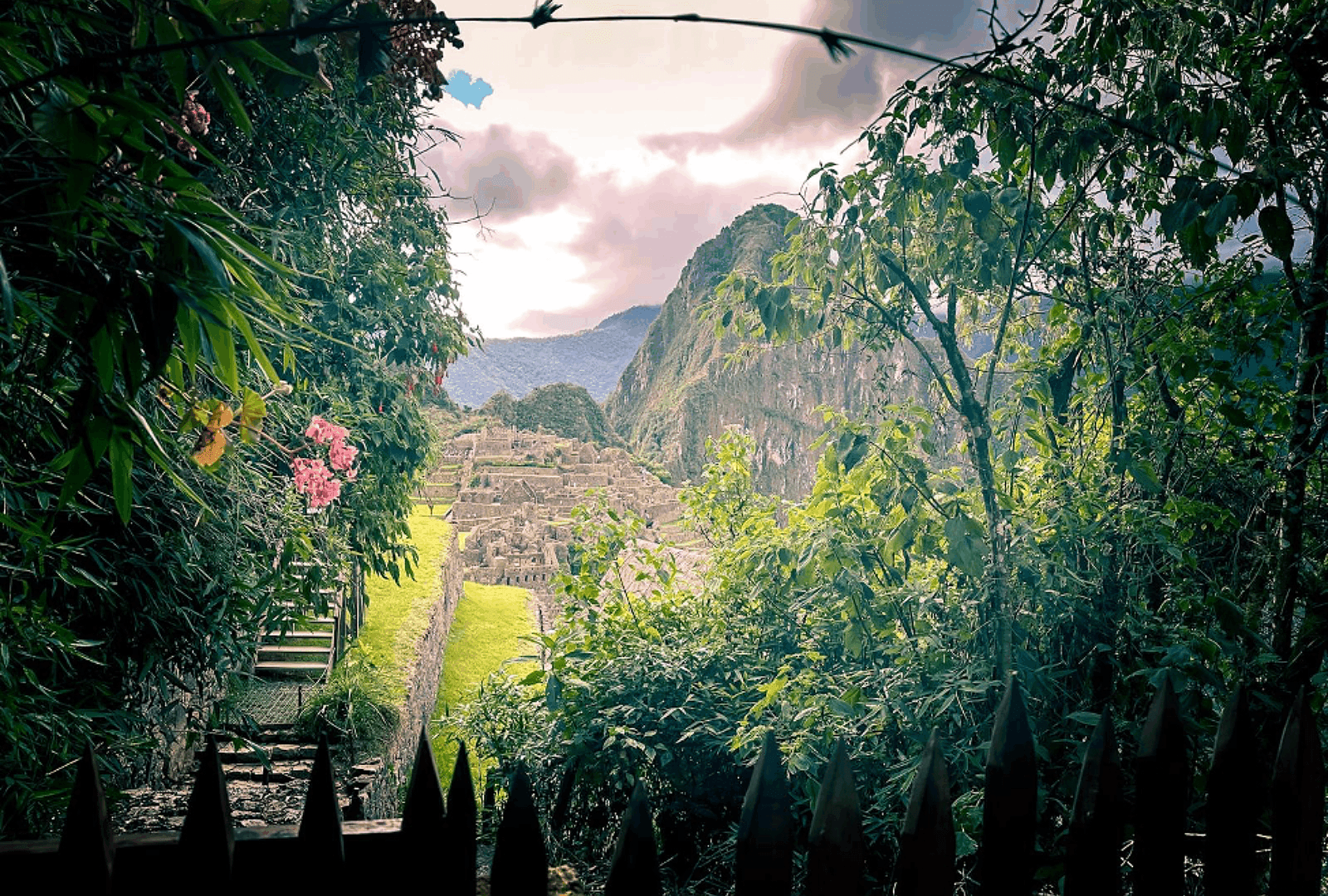
When Hiram Bingham first laid eyes on Machu Picchu, it presented a scene of natural wonder and mystery. The site was enveloped in lush greenery, with many structures completely hidden from view. Bingham noted the striking blend of nature and stone. Large trees grew between the walls. Vines wrapped around stone staircases, integrating nature with human craftsmanship.
The silence of the place added an eerie beauty to the scene. Despite the wild encroachment, the expertly cut stone structures still stood proud. They seemed to defy time itself.
Bingham and his team began to uncover the buildings and paths buried beneath centuries of foliage. This was a painstaking process requiring care and determination. Each discovery told more of the story of this enigmatic site.
Key first impressions of Machu Picchu before excavation included:
- Impressive stone architecture hidden beneath vegetation.
- A peaceful yet mysterious atmosphere.
- A complex layout with terraces and pathways obscured by nature.
The First Photos of Machu Picchu
Hiram Bingham’s 1911 expedition was significant for many reasons. Among the most impactful were the first photos of Machu Picchu. These images captivated the world and introduced the site’s magnificence to international audiences.
The photos showcased the intricate stonework and sophisticated Inca architecture. They highlighted the unique harmony between man-made structures and the surrounding natural environment. These images were pivotal in bringing attention to the site’s existence and beauty.
Bingham’s photos served as a visual testament to the extraordinary Inca civilization. They spurred interest and curiosity among historians, archaeologists, and the public. These first photographs remain a valuable resource for understanding the site’s initial condition.

Why Did It Take So Long to Find Machu Picchu?
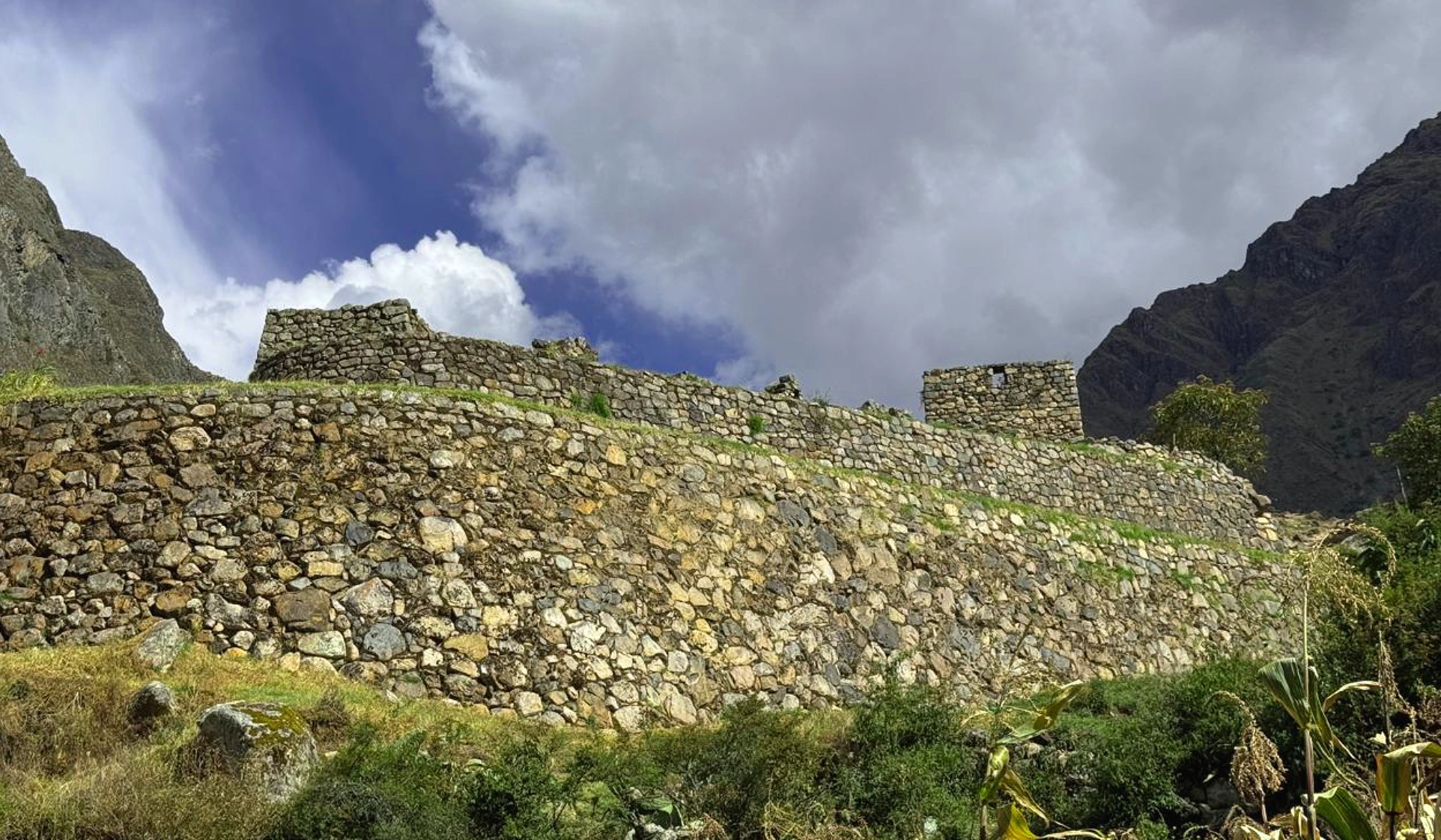
Machu Picchu remained hidden from the outside world for centuries. Its remote location in the Andes played a significant role in its concealment. The dense jungle covering the site obscured it from casual discovery.
Inaccessible terrain added to the challenge of its discovery. The site is nestled in a rugged mountainous region. Many explorers overlooked it due to these natural barriers.
Additionally, certain cultural factors contributed to its long obscurity. Local knowledge was passed orally and not widely shared. This kept Machu Picchu out of sight from foreign explorers for many years.
Several reasons explain the delay in finding Machu Picchu:
● Remote and rugged location in the Andes
● Dense jungle growth masking its structures
● Lack of written records from Inca sources
These elements combined to protect Machu Picchu’s hidden splendor for centuries.
Did the Spanish Find Machu Picchu?
The Spanish conquistadors never found Machu Picchu during their conquests. This Inca site eluded their exploration and recorded history. Its remote location kept it hidden from Spanish eyes.
During the 16th century, the Spanish focused on major Inca cities. They mainly targeted sites like Cusco and the Sacred Valley. Machu Picchu remained undiscovered, shielded by its isolated setting.
The lack of Spanish records highlights its mystery. Machu Picchu’s survival through the colonial era is a testament to its concealment. Its intact preservation owes much to the Spanish never knowing its existence.

The Impact of Bingham’s Discovery
Hiram Bingham’s rediscovery of Machu Picchu had significant global influence. It sparked interest in the Inca civilization. People worldwide became intrigued by this mysterious site.
The revelation of Machu Picchu drew historians and archaeologists to Peru. It paved the way for further exploration in the Andes. Bingham’s find highlighted the accomplishments of the Inca people.
Bingham collaborated with Yale University and the National Geographic Society. These partnerships spread news of the find internationally. A detailed article in National Geographic magnified public fascination.
The discovery ignited a surge in tourism to Peru. Machu Picchu soon became a sought-after destination. It remains an important site for both cultural and economic reasons.
Key Impacts:
● Sparked international interest in Inca culture
● Drew tourism to Peru, boosting the local economy
● Encouraged subsequent archaeological research in the region
Today, Machu Picchu is a UNESCO World Heritage Site. This title underscores its historical and cultural importance. The impact of Bingham’s discovery endures, continuing to inspire curiosity.
Controversies and Debates: Credit, Artifacts, and Legacy
Hiram Bingham’s rediscovery of Machu Picchu stirred discussions. Some questioned the credit he received. Critics argued that locals had always known about the site.
The removal of artifacts by Bingham also caused controversy. Many objects were taken to Yale University for study. This prompted debates over ownership and cultural heritage.
Some argue that Bingham deserves recognition for his efforts. Others focus on the implications of his actions. This complex legacy remains a topic of exploration.
Key Controversial Aspects:
- Credit for the discovery: Local involvement versus Bingham’s role
- Artifacts removal: Who owns the Inca treasures?
- Bingham’s legacy: Celebrated explorer or opportunist?
Despite controversies, Bingham’s expedition is undeniably significant. It highlighted the need for ethical archaeological practices. This ongoing debate shapes views on cultural preservation.
What Did Machu Picchu Originally Look Like?
Machu Picchu, in its prime, was a breathtaking wonder. The site featured a blend of urban design and natural beauty. Its construction demonstrated the Inca’s architectural prowess.
The city included several distinct areas. Terraces wrapped around the mountain, supporting agriculture. Structures ranged from residential buildings to sacred temples.
Original Features of Machu Picchu
- Agricultural Terraces: Supported by stone walls and incredible irrigation.
- Temple of the Sun: Used for celestial observations and rituals.
- Royal Estate: Provided residence for Inca nobility.
Restoration efforts aim to reveal Machu Picchu’s past grandeur. Today, visitors can imagine the site’s original appearance. The preservation of these marvels continues to captivate and inspire.
Machu Picchu Today: Preservation and Global Significance
Machu Picchu remains a global icon of cultural heritage. Its enchanting ruins attract millions annually. However, this popularity poses significant preservation challenges.
The site is a UNESCO World Heritage Site. Conservation efforts are essential to its longevity. They aim to balance visitor impact with preservation needs.
Key Preservation Efforts
- Controlled Access: Limits on daily visitors to reduce wear.
- Restoration Projects: Help maintain original structures.
- Environmental Protections: Safeguard the surrounding ecosystems.
Machu Picchu’s significance transcends its beauty. It serves as a symbol of human achievement and resilience. The ancient city continues to inspire generations worldwide.

Conclusion: The Enduring Mystery and Inspiration of Machu Picchu
Machu Picchu stands as a testament to the Inca’s ingenuity. Its rediscovery ignited curiosity and wonder worldwide. This ancient site continues to captivate scholars and travelers alike.
Despite extensive research, Machu Picchu holds many secrets. It sparks endless questions and fascination. As an emblem of mysterious pasts, it inspires explorations of lost civilizations for generations.
Get ready to challenge yourself and connect with history every step of the way! Book now: Inca Trail to Machu Picchu.
Tours where you’ll discover the lost city of the Incas:
Inca Trail 4 Days: The most iconic route to Machu Picchu. See more.
Inca Trail 2 Days: A shorter version of the trail, but with the same essence. See more.
Machu Picchu Full Day: Perfect if you have little time to experience this wonder. See more.
Back