


19/11/2025 6:57 pm

How many days to spend in Cusco – Machu Picchu?
Planning a trip to Cusco and Machu Picchu? You’re in for an unforgettable adventure. These iconic destinations in Peru offer a blend of history, culture, and breathtaking landscapes.
Cusco, once the heart of the Inca Empire, is a vibrant city. It serves as the gateway to the mystical ruins of Machu Picchu.
Visitors often wonder how many days to spend in Cusco and Machu Picchu. The answer depends on your interests and travel style.
Most travelers recommend at least three days in Cusco. This allows time to acclimate to the altitude and explore the city’s rich heritage.
Machu Picchu, a UNESCO World Heritage Site, can be visited in a day. However, an overnight stay in Aguas Calientes offers a more relaxed experience.
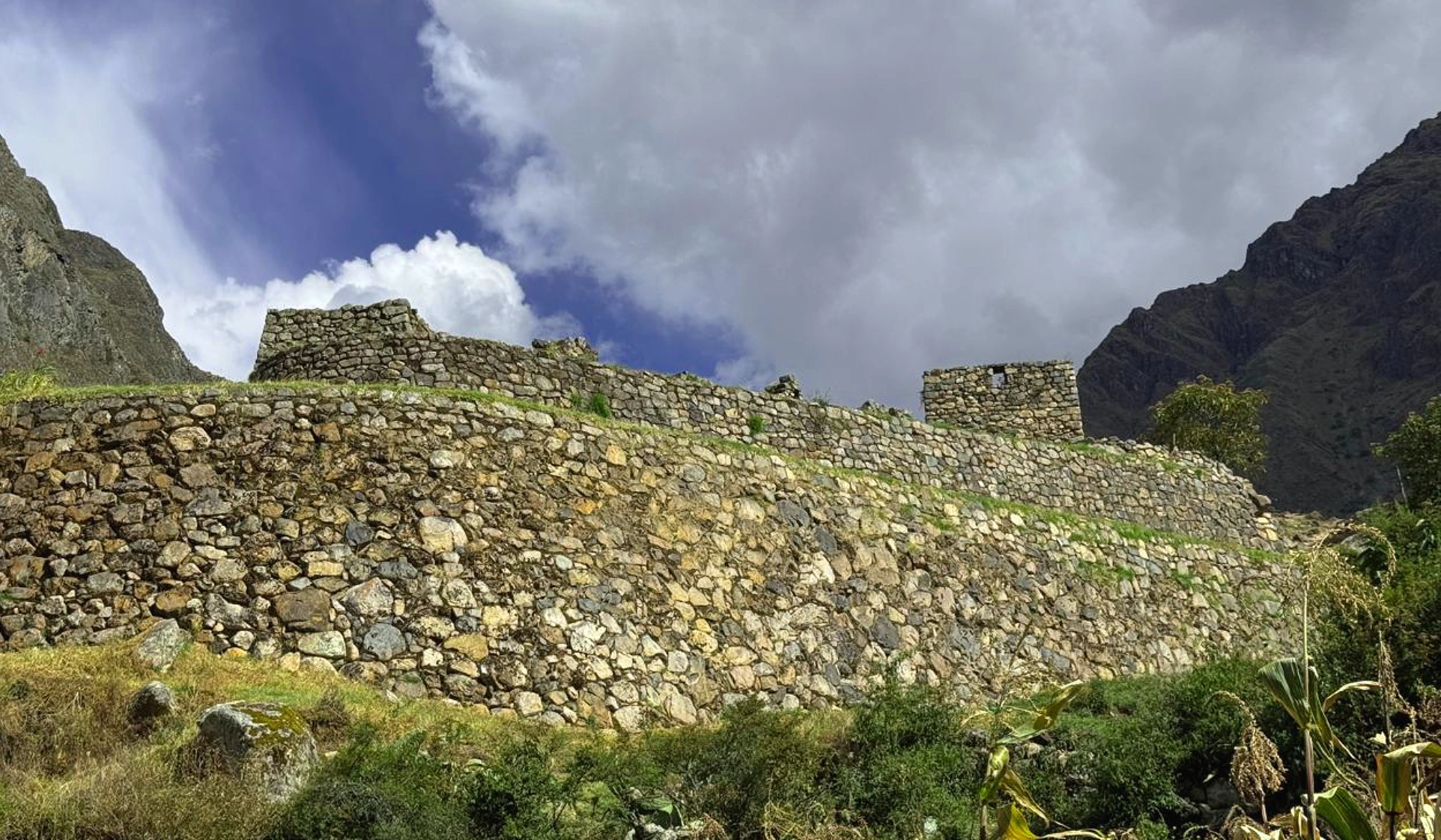
Whether you’re trekking the Inca Trail or taking the scenic train, planning is key.
This guide will help you make the most of your Cusco and Machu Picchu days.
Why Cusco and Machu Picchu Deserve Your Time
Cusco is a city that narrates stories of ancient empires. It stands as a testament to the Inca civilization’s grandeur. Walking its streets feels like traveling through time.
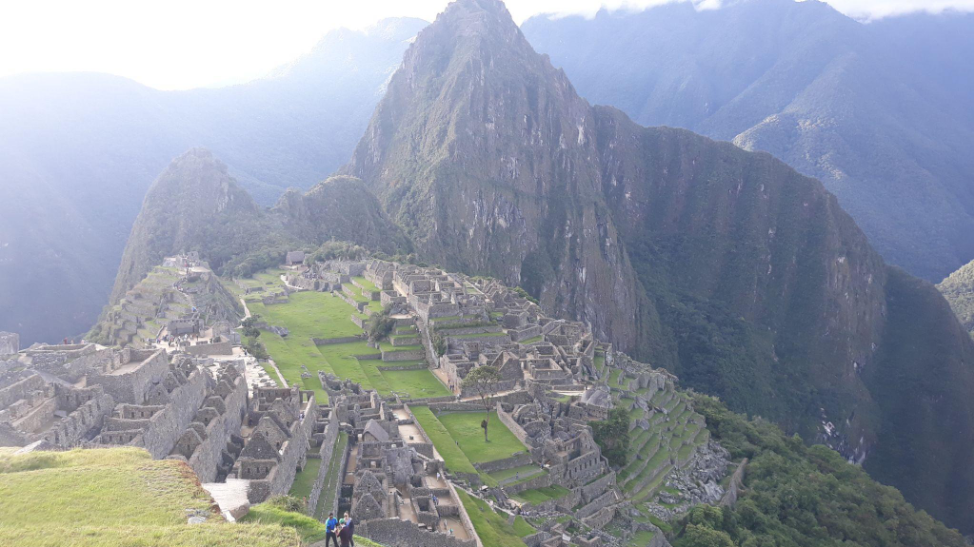
Machu Picchu, often called the “Lost City of the Incas,” holds mysteries yet to be fully understood. Nestled amidst lush mountains, its sheer beauty and engineering marvel impress all who visit.
Your journey to Cusco and Machu Picchu offers:
- A deep dive into Incan and colonial history.
- Stunning views and diverse ecosystems.
- A unique cultural encounter with local traditions.
Both destinations provide experiences that are soul-stirring. The combination of historical significance and natural beauty is compelling. Such memorable adventures justify every moment spent in this captivating region.
How Many Days to Spend in Cusco: Acclimatization and Exploration
Spending time in Cusco is essential not only for its cultural immersion but also for altitude acclimatization. With an elevation of 3,400 meters, many travelers need time to adjust to the thin air. Plan for at least three to four days to ensure a comfortable experience.
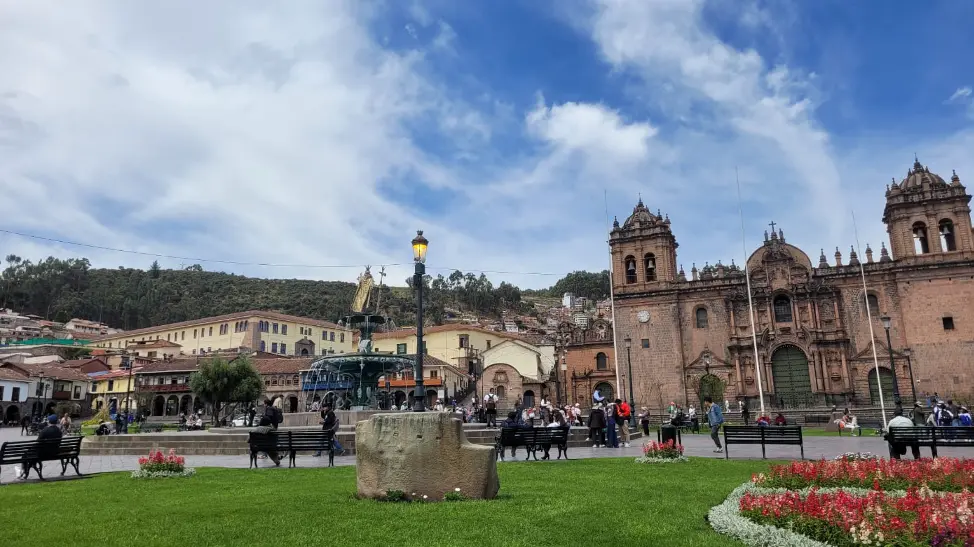
During your stay, explore Cusco’s rich history and stunning architecture. The city offers diverse attractions, from ancient ruins to bustling markets. Key sights include the Plaza de Armas and Sacsayhuamán.
A few days in Cusco also allow you to enjoy its vibrant local culture. Don’t miss the colorful San Pedro Market for authentic Peruvian flavors. Sample traditional dishes that showcase the culinary diversity of the Andes.
To maximize your visit, consider these activities:
- Take a walking tour of the city’s historic center.
- Visit the Cusco Cathedral and Qorikancha Temple.
- Explore the artistic San Blas district.
Planning a detailed itinerary ensures you hit all the must-sees. Opt for a blend of guided tours and independent exploration for flexibility. The mix of structured activities and free time creates a balanced travel experience.
How Many Days to See Machu Picchu: Day Trips vs. Overnight Stays
Visiting Machu Picchu is a highlight for many travelers, but deciding how many days to spend can be tricky. You can choose between a day trip from Cusco or an overnight stay in Aguas Calientes. Each option has its pros and cons.
A day trip is feasible, but it demands a very early start. You’ll need to catch a train from Cusco to Aguas Calientes, then a bus to the site. This means rushing through one of the world’s most breathtaking sites.
Opting for an overnight stay in Aguas Calientes offers a more relaxed experience. With an early morning start, you can witness the sunrise over the citadel. This extra time allows you to explore the site at a leisurely pace.
Considerations for your visit include:
- Whether you prefer a quick or immersive experience.
- Your energy levels for early mornings and long travel days.
- The potential cost difference between the two options.
Ultimately, your decision depends on your travel style and priorities. With an overnight stay, you’ll have time to absorb the site’s grandeur.
Sample Itineraries: 3, 4, 5, and 7 Days in Cusco and Machu Picchu
Planning the perfect trip to Cusco and Machu Picchu requires a well-thought-out itinerary. Whether you have a few days or a week, you can enjoy a rich experience.
3-Day Itinerary:
A short trip will be fast-paced but rewarding.
- Day 1: Arrive in Cusco, acclimate, and explore the Plaza de Armas.
- Day 2: Visit Sacsayhuamán and nearby ruins. In the afternoon, head to the Sacred Valley.
- Day 3: Early start to Machu Picchu for a day trip. Return to Cusco in the evening.
4-Day Itinerary:
Add a day to relax and explore more leisurely.
- Day 1: Arrive in Cusco, explore San Blas, a bohemian neighborhood.
- Day 2: Sacred Valley tour, including Pisac and Ollantaytambo. Overnight in Aguas Calientes.
- Day 3: Spend the morning at Machu Picchu, then return to Cusco.
- Day 4: Free day to visit museums and enjoy local cuisine.
5-Day Itinerary:
An ideal balance of exploration and leisure time.
- Day 1-2: Explore Cusco’s historic sites and vibrant markets.
- Day 3: Sacred Valley tour, ending with an overnight in Aguas Calientes.
- Day 4: Visit Machu Picchu, then return to Cusco or stay overnight.
- Day 5: Relax in Cusco or take a day trip to Rainbow Mountain.
7-Day Itinerary:
Allows for deeper exploration and cultural immersion.
- Days 1-2: Discover Cusco’s cultural treasures and local flavors.
- Days 3-4: Journey through the Sacred Valley, with an overnight in a local village.
- Days 5-6: Spend two days at Machu Picchu, exploring its wonders at your own pace.
- Day 7: Wrap up your trip with any activities you may have missed.
Regardless of your itinerary, balance is key. Factor in acclimatization time, especially if you’re not accustomed to high altitudes.
Key Attractions in Cusco: What Not to Miss
Cusco is a treasure trove of history and culture. It was once the capital of the Inca Empire, where past and present unite in fascinating ways.
Among the must-see spots are the grand Plaza de Armas and the impressive Sacsayhuamán fortress. These sites offer a glimpse into the city’s rich past and vibrant local life.
Must-Visit Attractions:
- Plaza de Armas: The heart of Cusco.
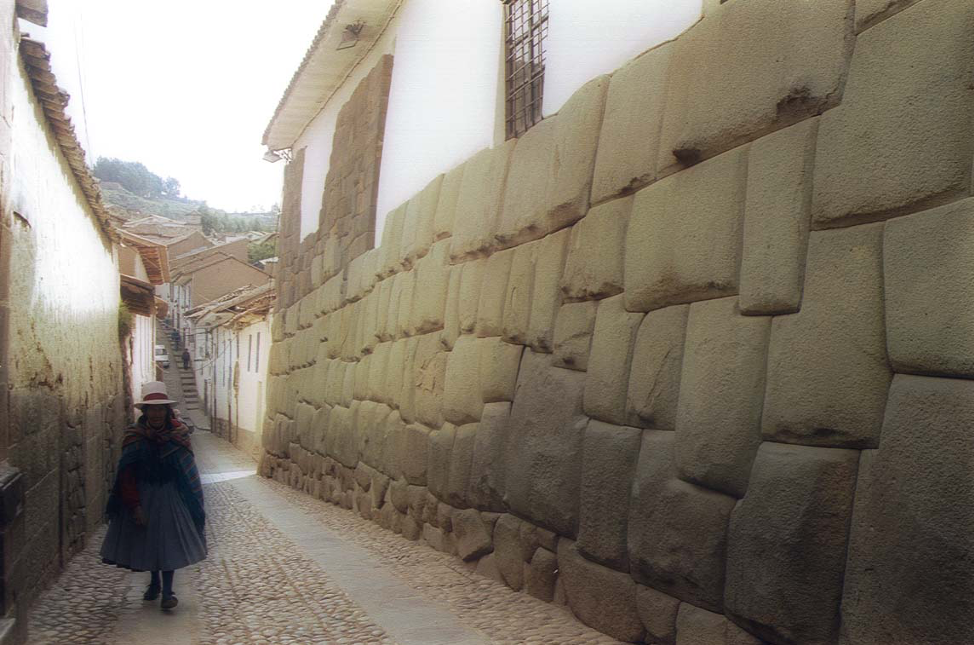
- Sacsayhuamán: A marvel of Inca stonework.
- Qorikancha: Once the richest temple in the Inca Empire.
- San Pedro Market: Perfect for local cuisine and souvenirs.
- The Sacred Valley: Rich in Inca ruins and natural beauty.
These sites provide an enriching experience for any traveler. From historical treasures to lively markets, there’s something for everyone.
Exploring the Sacred Valley: Essential Stops Before Machu Picchu
The Sacred Valley is a picturesque region rich with history and culture. It serves as an ideal stop on your way to Machu Picchu, offering both scenic beauty and fascinating ruins.
The valley is home to traditional Andean villages where you can experience local life first-hand. Visit the vibrant markets to see and purchase unique local crafts. The blend of natural beauty and cultural richness creates a memorable experience for any traveler.
Must-See Stops in the Sacred Valley:
Ollantaytambo: An ancient Inca fortress and living village.
Pisac: Known for its bustling market and impressive ruins.
Maras Salt Mines: Fascinating terraced salt pans in use since pre-Inca times.
Moray: Unique circular terraces used for agriculture by the Incas.
Exploring the Sacred Valley is a journey through time and culture, setting the stage for your visit to Machu Picchu
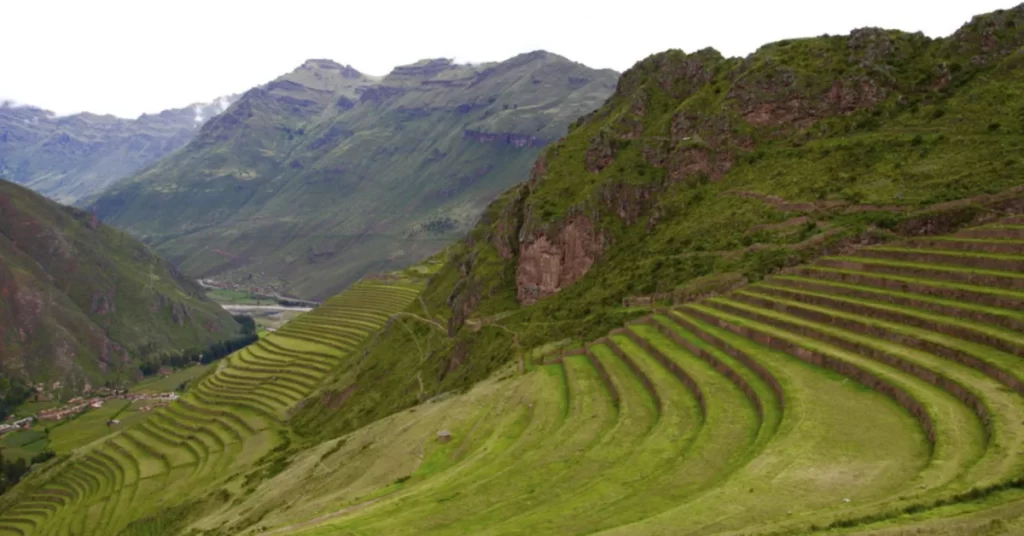
Machu Picchu: How Much Time Do You Need at the Site?
Machu Picchu’s magic is undeniable, leaving visitors awestruck by its beauty and mystery. To truly appreciate the site, plan your time wisely.
A typical visit to the citadel takes around 2 to 4 hours. This allows you to explore the central urban area, agricultural terraces, and iconic landmarks like the Temple of the Sun.
For a comprehensive experience, consider additional time to hike one of the site’s peaks. Huayna Picchu and Machu Picchu Mountain both offer breathtaking views but require extra hiking time.
Suggested Time Allocation:
Main Site Exploration: 2-4 hours
Huayna Picchu Hike: 2 hours
Machu Picchu Mountain Hike: 3 hours
Photography and Resting: 30 minutes to 1 hour
Plan your visit early in the day to avoid crowds. Also, check ticket availability for the additional hikes.
Trekking to Machu Picchu: Inca Trail and Alternative Routes
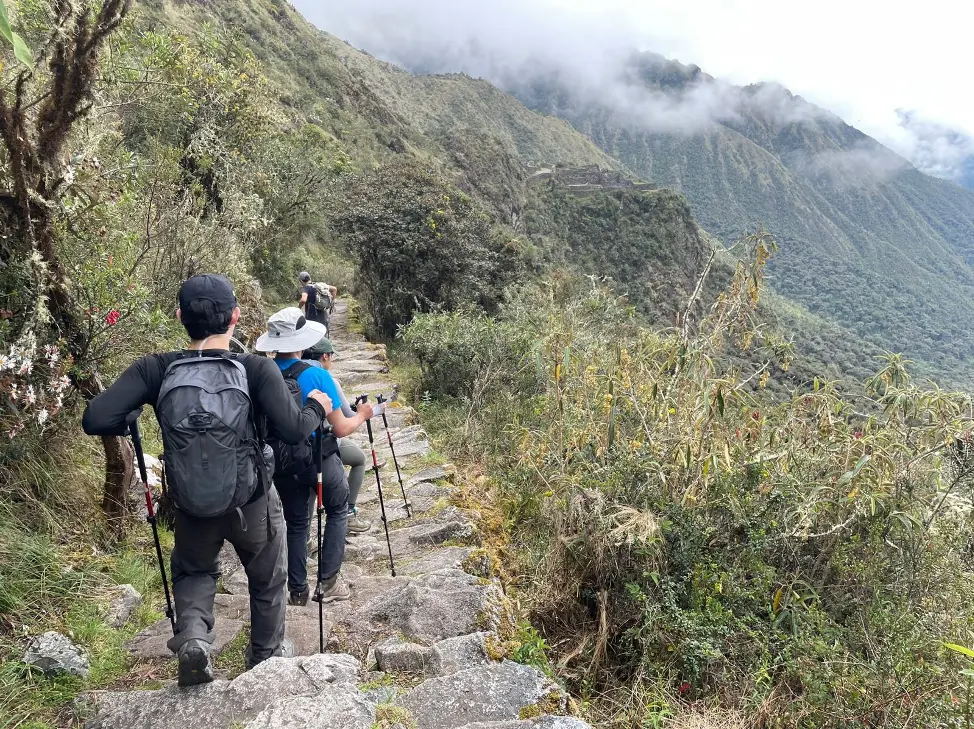
Trekking to Machu Picchu is a dream for many adventure lovers. The classic Inca Trail is renowned worldwide and usually takes four days to complete. It offers stunning vistas and a sense of accomplishment. However, it requires a permit that should be booked months in advance due to high demand.
If permits are sold out or you seek a different experience, alternative treks are available. The Salkantay Trek is a challenging five-day route featuring diverse landscapes, from icy mountains to lush forests. It’s a great choice for those looking for a less crowded path.
The Lares Trek is another option. It’s ideal for cultural immersion as it passes through traditional Andean villages. Typically completed in three days, it’s known for its rich cultural interactions rather than a direct route to Machu Picchu.
Popular Trekking Routes:
Each trek offers its own unique experience, blending nature and culture beautifully.
Practical Tips: Tickets, Trains, and Guided Tours
Planning ahead is crucial for a smooth visit to Machu Picchu. Book your entry tickets early, especially during peak seasons. Entry is limited to 2,500 visitors daily, so securing your spot in advance is key.
Traveling by train from Cusco to Aguas Calientes is a popular choice. The train journey is scenic, providing stunning views of the Andes. Book your train tickets as early as possible to ensure the best travel times.
Guided tours are highly recommended to enhance your experience at Machu Picchu. Guides provide context and history that make the site more meaningful. Many tours offer options to cater to different interests.
Quick Tips:
- Book tickets early: Entry and train.
- Take a train: For stunning views.
- Hire a guide: Gain deeper insights.
When to Visit: Best Time of Year and Weather Considerations
Choosing the right time to visit can greatly enhance your experience in Cusco and Machu Picchu. The dry season, from May to September, is ideal for clear skies and good hiking conditions. However, this is also the peak tourist season.
In contrast, the rainy season from November to March offers fewer crowds but wetter conditions. Each season provides a unique perspective of the region’s beauty.
Seasonal Highlights:
- Dry Season (May-September): Best for hiking.
- Rainy Season (November-March): Fewer tourists.
Where to Stay: Accommodation Options in Cusco, Sacred Valley, and Aguas Calientes
Finding the right accommodation can set the tone for your journey. Cusco offers a range of choices from budget hostels to luxury hotels, perfect for acclimating.
In the Sacred Valley, tranquil retreats and charming lodges provide an immersive experience close to nature. Aguas Calientes, the gateway to Machu Picchu, features convenient options for early site visits.
Top Accommodation Choices
- Cusco: Budget hostels, mid-range hotels, luxury stays.
- Sacred Valley: Lodges, retreats
- Aguas Calientes: Convenient hotels.
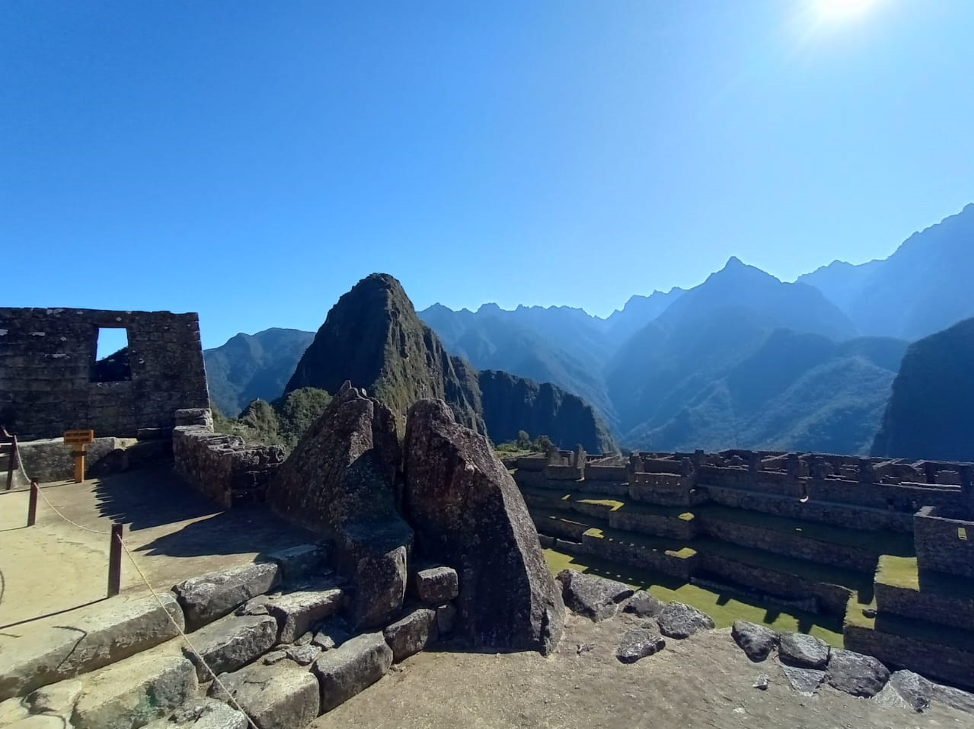
Restoration efforts aim to reveal Machu Picchu’s past grandeur. Today, visitors can imagine the site’s original appearance. The preservation of these marvels continues to captivate and inspire.
Essential Travel Tips: Altitude, Packing, and Local Culture
Altitude sickness can affect anyone in Cusco’s high altitudes. Start slow to allow your body to adjust. Stay hydrated and rest frequently.
Packing smartly ensures comfort. Layers are key due to varying temperatures. Don’t forget rain gear and sturdy shoes for treks.
Quick Tips
- Acclimate in Cusco
- Drink water and rest
- Pack layers and rain protection.
Embrace the vibrant local culture. Learning basic Spanish phrases enhances interactions. Respect traditions and customs for a more meaningful experience.

Frequently Asked Questions: How Many Days in Cusco Machu Picchu?
Planning a trip involves deciding how many days to stay. It depends on personal preferences and travel goals. This section addresses common questions.
FAQs:
Is three days enough for Cusco?
Yes, if you focus on the main attractions only.
Can you visit Machu Picchu in one day?
Yes, but staying overnight offers a more relaxed pace.
Is acclimatization important?
Definitely, especially given Cusco’s high altitude. Check our Acclimatization Package
Each day offers unique experiences, making every moment memorable.
Conclusion: Making the Most of Your Cusco and Machu Picchu Adventure
Crafting the perfect itinerary for Cusco and Machu Picchu enriches your journey. By balancing exploration with relaxation, you capture the essence of these historic sites. Prioritizing key attractions and allowing time for acclimatization ensures a smoother experience.
Every traveler shapes their adventure based on their interests. Whether it’s immersing yourself in local culture or hiking through breathtaking landscapes, Cusco and Machu Picchu promise unforgettable memories.
With thoughtful planning, your time in this magical region becomes both fulfilling and enriching, leaving a lasting impression.
Tours where you’ll discover Cusco, and the lost city of the Incas, Machu Picchu:
Inca Trail 4 Days: The most iconic route to Machu Picchu. See more.
Inca Trail 2 Days: A shorter version of the trail, but with the same essence. See more.
Machu Picchu Full Day: Perfect if you have little time to experience this wonder. See more.
Cusco City Tour: Discover the archaeological sites and history that Cusco has to offer. See more.
We hope that this article helped you plan your trip to Cusco, if you have any doubts just contact us!
Thanks for reading!
Back