


30/10/2025 3:18 pm

Essential Tips for Climbing Machu Picchu
Climbing Machu Picchu is a dream for many adventure seekers. This ancient Incan city, perched high in the Andes, offers breathtaking views and a rich history.
The journey to Machu Picchu is as rewarding as the destination itself. The Inca Trail is the most famous path, winding through stunning landscapes and historical sites. Planning your Machu Picchu climb requires careful preparation. From securing permits to choosing the right trek, there are many factors to consider.
Understanding the costs involved is crucial. The Machu Picchu hike cost can vary widely, depending on the route and services chosen.
Fitness and acclimatization are key to a successful trek. The high altitude can be challenging, so proper preparation is essential.
Packing the right gear is also important. Layered clothing, sturdy boots, and rain gear are must-haves for the trek.
Timing your hike is another consideration. The best time of year to hike the Inca Trail is during the dry season, from May to September.
The Machu Picchu climb is a journey of discovery. It offers a unique blend of adventure, culture, and natural beauty.
Whether you’re an experienced hiker or a first-time adventurer, the Machu Picchu climb promises an unforgettable experience. Prepare well, and you’ll be rewarded with memories to last a lifetime.
Understanding Machu Picchu and Its Trails
Machu Picchu, a UNESCO World Heritage Site, stands as a testament to the brilliance of the Incan Empire. Nestled in the Andes of Peru, it captivates visitors with its mystique and beauty.
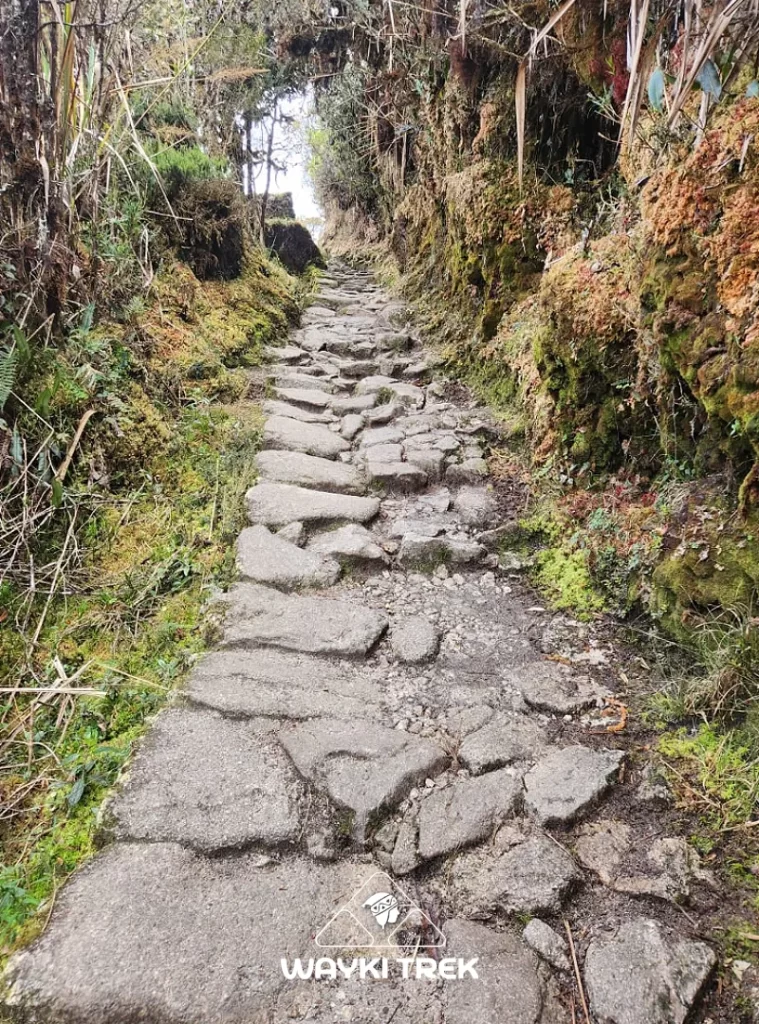
Several trails lead to this ancient citadel. Each trail offers a unique experience, blending nature and history seamlessly. The Inca Trail is the most renowned among these paths.
The Inca Trail is famous for its challenging yet rewarding route. It presents a mix of stunning vistas, archaeological sites, and diverse ecosystems. This trail is the pinnacle for those seeking adventure and cultural immersion.
Despite its popularity, the Inca Trail is not the only path to Machu Picchu. Adventurers can choose from several alternative treks, each offering its own set of wonders and challenges.
Popular trails to Machu Picchu include:
- The Classic Inca Trail
- The Short Inca Trail
- The Salkantay Trek
- The Lares Trek
These trails vary in length, difficulty, and scenery, allowing hikers to pick according to their interests and fitness levels. Each trail promises an unforgettable journey through the Andes.
Preservation of these trails is vital. They pass through fragile ecosystems, and visitors are encouraged to trek responsibly to protect the environment and heritage.
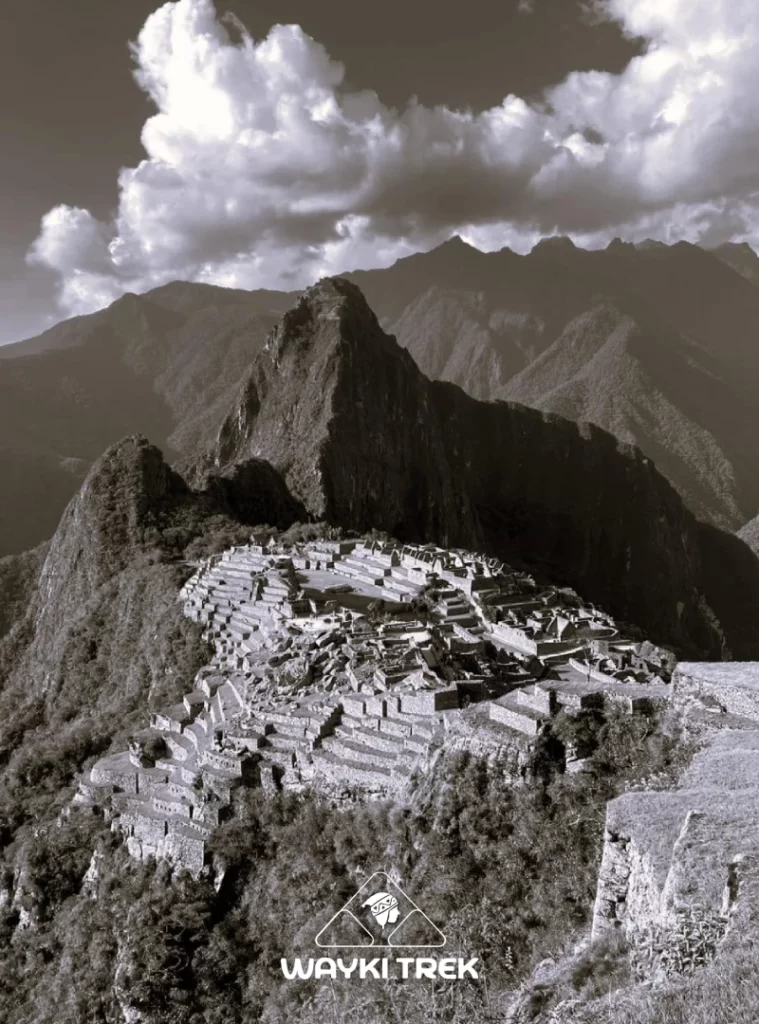
Understanding the various routes to Machu Picchu helps in choosing the ideal trek. Whether you desire a rigorous hike or a short journey, the trails to Machu Picchu promise a remarkable adventure. The blend of natural beauty and historical significance makes the journey as memorable as the destination itself.
The Inca Trail: History, Routes, and Highlights
The Inca Trail to Machu Picchu is an emblem of Incan history and ingenuity. It spans about 26 miles through diverse terrains and altitudes, culminating at Machu Picchu. This ancient road network was vital for connecting the vast Incan Empire.
The trail itself is a mosaic of breathtaking landscapes and archaeological wonders. As you trek, you’ll encounter lush cloud forests, ancient ruins, and panoramic mountain views. The journey is as much about the experience as reaching the destination.
Notable highlights along the Inca Trail include:
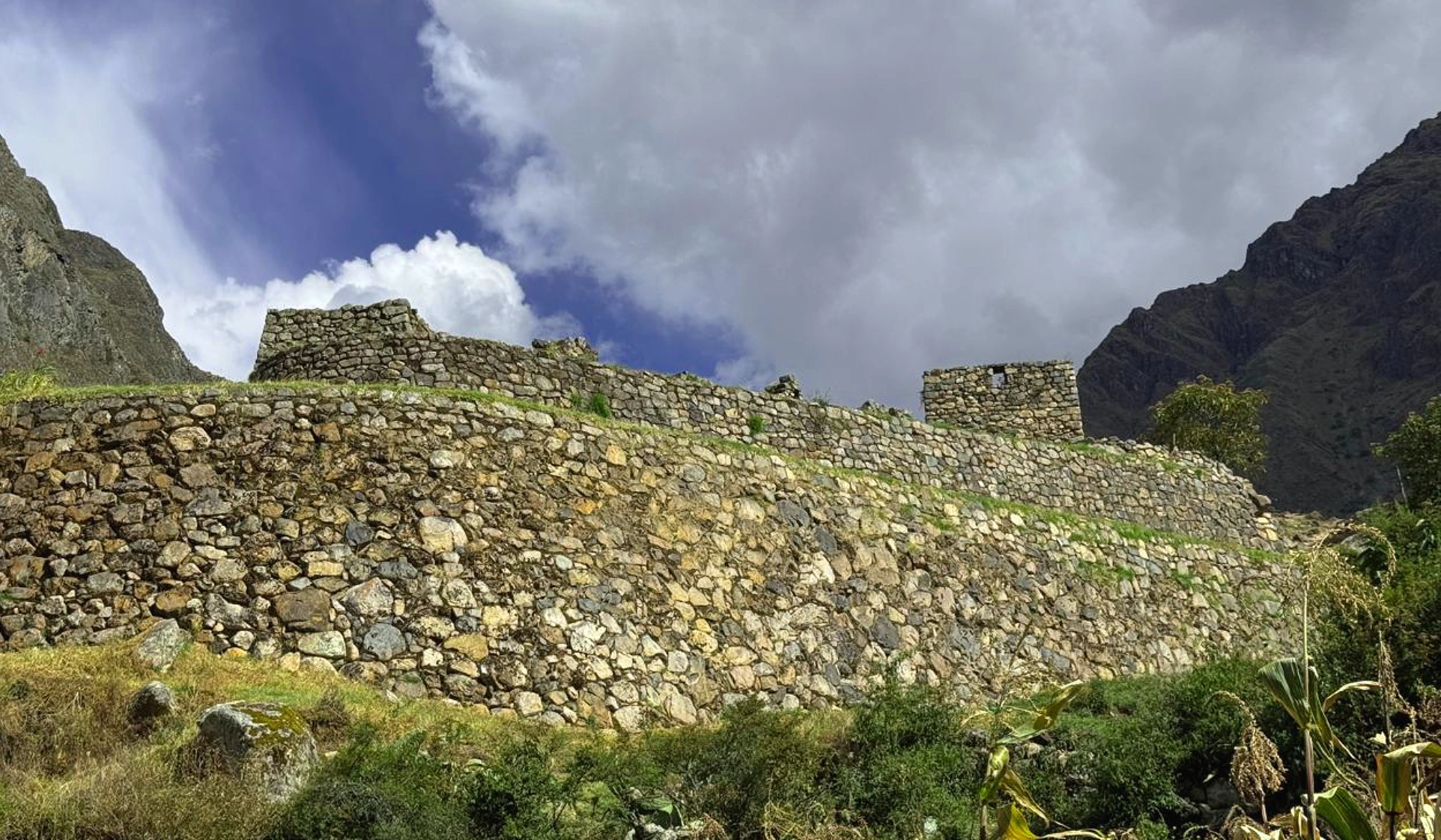
- Llactapata: An ancient Incan settlement admired for its terraces.
- Runkurakay Pass: Offers stunning views of the surrounding peaks.
- Sayacmarca: Known as the “Inaccessible Town,” this site is a marvel of Incan architecture.
- Phuyupatamarca: Meaning “Town above the Clouds,” it offers a mystical appeal.
- Wiñay Wayna: Its well-preserved terraces and fountains are a tribute to Incan craftsmanship.
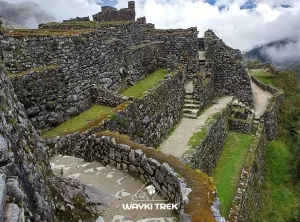
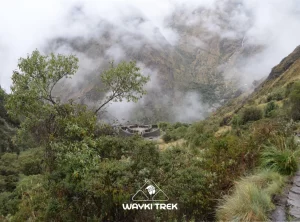
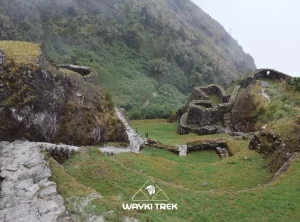
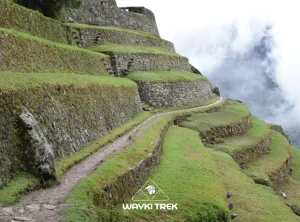
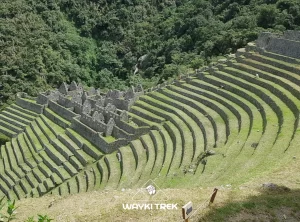
Trekking the Inca Trail requires preparation. It generally takes four days and three nights, accommodating varied fitness levels. The trek is physically demanding but immensely rewarding, offering a peek into a world that few get to experience.
Permits are mandatory due to its popularity and environmental regulations. They are limited to 500 permits daily, including guides and porters, so book well in advance. The trail opens from March to January, with February reserved for maintenance.
The Inca Trail is a gateway to discovering ancient Andean culture and ecology. Guides often share stories and traditions passed down through generations. This adds depth to the journey, making it a true cultural immersion.
Preparing for the trail involves more than just physical readiness. Good gear, adequate water supply, and proper clothing are critical. Boots, rain gear, and layers are essential for the changing Andean weather.
The Inca Trail experience is enriched by its unpredictability. Each turn unveils a new wonder and deeper insights into the resilience and intelligence of the Incan civilization.
Classic Inca Trail vs. Short Inca Trail
When planning a hike to Machu Picchu, hikers often choose between the Classic and Short Inca Trails. Each presents unique experiences suited to different preferences and schedules.
The Classic Inca Trail is the longer, more extensive route. Covering 26 miles over four days, it offers ample time to delve into the region’s beauty and history. It is favored by those seeking a deeper connection with the land and its heritage.
The Short Inca Trail, conversely, spans around 7.5 miles over one or two days. It is ideal for those with limited time but a strong desire to experience part of this iconic journey. This trail introduces trekkers to key highlights, including the impressive site of Wiñay Wayna.
Comparison of the trails:
| INFORMATION | INKA TRAIL 4 DAYS | SHORT INKA TRAIL 2 DAYS |
| DURATION | 4 DAYS | 1 Day hiking, 2 Day Machu Picchu |
| DISTANCE | 26 Miles | 7.5 Miles |
| DIFICULTY | Moderate to Challege | Challenge to Moderate |
Permits are essential for both trails due to their popularity. Early booking is crucial, especially during the peak season.
Ultimately, the decision lies in personal preference, time, and fitness. Both trails offer an unforgettable Machu Picchu climb, each with its unique appeal and challenges.
Alternative Treks to Machu Picchu
For those seeking different experiences, there are several alternative treks to Machu Picchu. These routes provide diverse scenery and fewer crowds while still culminating in a visit to the ancient city.
The Salkantay Trek is among the most popular alternatives. It traverses high mountain passes and lush tropical forests, offering spectacular views of Mount Salkantay. It’s longer but offers a wide array of landscapes over five to seven days.
The Lares Trek is culturally enriching. This trek offers insight into traditional Andean life, as it winds through small villages. Encounters with local Quechua people highlight indigenous culture and customs, making it a meaningful journey.
Another option is the Choquequirao Trek, known for its remote and challenging path. It leads to the Choquequirao ruins, a lesser-known but fascinating archaeological site. This trek is perfect for those looking for solitude and adventure.
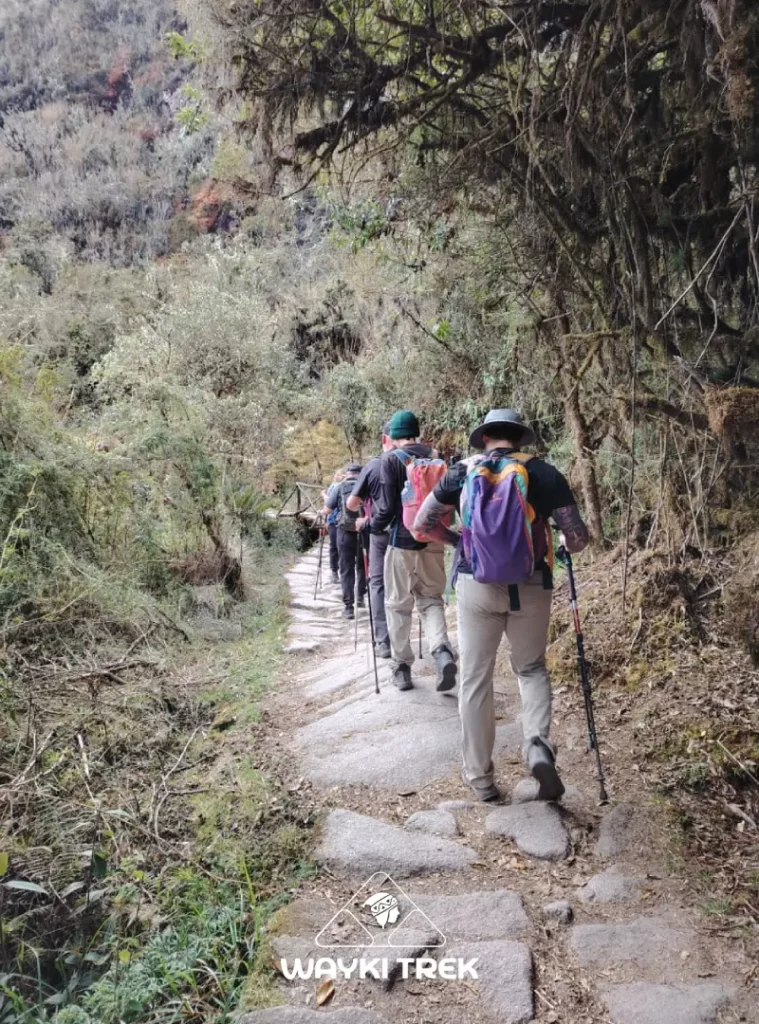
Popular alternative treks:
- Salkantay Trek: Mountain views and diverse ecosystems
- Lares Trek: Cultural immersion and village visits
- Choquequirao Trek: Challenging paths and ancient ruins
Each alternative trek offers a unique view of the Peruvian Andes and its cultural tapestry. They serve as a reminder that the journey to Machu Picchu can vary based on individual interests and the paths taken.
These routes provide an enriching experience away from the usual crowds, ensuring an intimate connection with the beautiful and rugged landscapes of Peru.
Planning Your Machu Picchu Climb: Permits, Booking, and Costs
Embarking on the Machu Picchu climb requires meticulous planning. Permits are a crucial first step, as they are limited. Demand for the Inca Trail is high, with permits selling out months in advance.
Bookings are best made through a reliable tour operator. They handle the complexities of permit acquisition, logistics, and guide arrangements. This ensures a smoother journey with fewer hassles.
Key considerations for booking:
- Select a licensed tour operator
- Check availability for preferred dates
- Evaluate what services are included
Cost is another important factor. Expenses vary based on the chosen trek, services included, and operator reputation. A reputable operator might cost more but often provides better service and experiences.
Prices generally encompass permits, guides, meals, and sometimes equipment rental. Be wary of extra charges for optional add-ons or unforeseen fees. Thorough research helps in choosing the right package.
Typical inclusions in trek packages:
- Permits for Machu Picchu and trail access
- Licensed guide and supporting crew
- Meals, often including snacks and drinks
Bear in mind that February is off-limits for trail hikes. The Inca Trail is closed for maintenance, leaving alternative treks available. Use this month for off-peak travel advantages elsewhere in Peru.
Understanding these aspects is vital for a successful hike. Proper planning reduces the chance of disappointment and enhances the overall experience. Ensuring all arrangements are finalized well before departure is imperative.
Inca Trail Permits and Regulations
Permits for the Inca Trail are indispensable. They ensure both conservation and regulated access. The Peruvian government enforces a strict daily cap of 500 permits. These include guides and support staff, not just hikers.
Early booking is non-negotiable. Permits often sell out six months ahead during peak seasons. You should plan accordingly to secure your spot. Deciding on travel dates early allows for better preparations and options.
Here are the vital steps for securing an Inca Trail permit:
- Choose travel dates carefully
- Contact a reliable and licensed tour operator
- Complete permit registration promptly
Regulations aim to preserve the Inca Trail’s cultural and ecological integrity. Visitors must adhere to guidelines on waste disposal and campsite behavior. Tour guides typically remind hikers of these rules, helping maintain the trail’s allure.
Permits are non-transferable and linked to your passport. Double-check your passport details when booking. Carry it during the trek, as checkpoints demand its presentation. Awareness of these regulations prevents disruptions during your trek.
Machu Picchu Trail Cost Breakdown
Understanding the costs of hiking Machu Picchu is crucial. This helps in budgeting and comparing tour options. Prices usually range from $500 to $1,000, influenced by services and season.
Cost components may include:
- Permit fees for entrance and trail access
- Transportation costs to and from Cusco
- Guide and porter services, which greatly enhance the experience
It’s wise to compare packages from various tour operators. This ensures you get the best value for your money. Look for packages that cover everything you’ll need, avoiding surprise fees along the way.
Meals are often included, but it’s good to verify details. Some packages offer hearty, nutritious meals while others may offer basic fare. Always check if dietary preferences or needs are accommodated.
Equipment rental, like sleeping bags, might be an extra cost. If they aren’t included, be ready for additional fees. You might prefer bringing your own equipment to ensure comfort and suitability.
Additional costs may arise for extra excursions or tips for guides and porters. Accounting for these will help in maintaining your budget. Ensure clarity on all financial obligations before departure to avoid monetary stress on the trail.
When to Hike: Best Time of Year and Weather Considerations
Choosing the ideal time to hike is vital for a rewarding Machu Picchu climb. The weather in the Andes dictates the experience, influencing comfort and safety. Different seasons offer unique advantages, which require weighing based on personal preferences.
The dry season, spanning May to September, is the most favorable period. During these months, pleasant weather prevails with minimal rain. This period ensures clearer views and stable trail conditions, making the path more manageable for hikers.
However, the dry season also attracts the most visitors. This means trails and sites like Machu Picchu are busier than usual. For those who seek a quieter adventure, shoulder months like April and October might be preferable.
The wet season starts in November and continues till March. These months witness substantial rainfall, which leads to slippery paths. Often, heavy showers can disrupt the hiking experience, presenting challenges for even seasoned trekkers.
Despite the rain, some choose this season for solitude and lush landscapes. Plus, with fewer crowds, there’s a sense of tranquility. If opting for this time, being prepared with proper gear is essential.
Consider your priorities and tolerance for weather-related challenges. Create a list to compare different times of the year:
- Dry Season (May-September): Little rain, best conditions, more tourists.
- Shoulder Months (April, October): Mild weather, fewer people, good balance.
- Wet Season (November-March): Heavy rain, fewer crowds, vibrant greenery.
Ultimately, the best time to hike depends on personal preferences. Assess your tolerance for crowds and weather conditions. Proper planning ensures a rewarding experience, regardless of the season chosen for your Machu Picchu adventure.
Preparing for the Trek: Fitness, Acclimatization, and Health
Getting ready for the Machu Picchu climb requires both physical and mental preparation. A mix of fitness, acclimatization, and health awareness is necessary to ensure a successful trek. Prior preparation helps in tackling the challenging terrain and altitude.
Start with a fitness regimen a few months in advance. Focus on building endurance, strength, and balance. Regular hikes, aerobic exercises, and strength training improve overall fitness. This preparation is crucial for facing steep and uneven paths.
Acclimatization is another critical aspect of preparation. Spend a few days in Cusco or other high-altitude locations. This allows your body to adjust to the thinner air before you start trekking. Proper acclimatization reduces the risk of altitude sickness.
Pay attention to your health and well-being. Schedule a check-up with your healthcare provider prior to departure. This ensures no pre-existing conditions might pose risks during the trek. Discuss any potential vaccinations or medications you might need.
Hydration and a balanced diet play vital roles too. Maintaining proper nutrition and fluid intake supports physical exertion. These practices also aid in preventing dehydration and sustaining energy levels throughout the hike.
Assemble a comprehensive health checklist:
- Pre-Trip: Medical check-up, vaccinations, fitness plan.
- During Trip: Acclimatization period, hydration, balanced meals.
Being mindful of these elements enhances the trekking experience. With robust preparation, the climb can become a memorable journey. Ensure all aspects—fitness, acclimatization, and health—are prioritized before setting foot on the trail.
Dealing with Altitude Sickness
Altitude sickness can affect anyone, regardless of fitness level. It’s vital to understand and manage its symptoms effectively. When hiking to Machu Picchu, altitude is a major factor to consider. Preparation helps reduce its impact.
Symptoms often include headaches, nausea, and dizziness. These can hamper progress and enjoyment of the trek. To minimize symptoms, planning acclimatization days is crucial. Gradual exposure to altitude assists the body in adjusting.
Medications such as acetazolamide may alleviate symptoms for some individuals. Consult with a healthcare provider to explore this option. Natural remedies like coca leaves can also provide relief.
A practical list to counter altitude sickness includes:
- Acclimatization: Spend initial days at high altitude.
- Hydration: Drink plenty of water throughout the trek.
- Moderation: Ascend slowly, allowing the body to adapt.
Being proactive and informed is key to enjoying the hike. Understanding the implications and management of altitude sickness empowers you. With diligent measures, you can safeguard your health and enjoy the awe-inspiring beauty of Machu Picchu.
What to Pack: Essential Gear and Supplies
Packing for the Machu Picchu climb requires thoughtful consideration of the essentials. The correct gear ensures comfort and safety on the trail. It’s crucial to balance between necessary equipment and pack weight.
Begin with the basics: a durable backpack. Select one with sufficient capacity and comfortable support for long hikes. Ensure it includes multiple compartments for easy access to items. The right backpack is pivotal for carrying all your essentials efficiently.
Sturdy, well-fitting hiking boots are a must. Their importance cannot be overstated; they provide support and protection across rugged terrain. Break them in before your trip to avoid blisters or discomfort on the trail.
Layered clothing is essential for varying weather conditions. Temperatures can shift dramatically between day and night. Waterproof jackets, thermal layers, and moisture-wicking shirts are recommended. This clothing strategy allows adaptability and comfort.
Equipping yourself with trekking poles can alleviate pressure on joints. They’re valuable for stabilization on steep descents and ascents. Poles can enhance balance and reduce fatigue during the trek.
To prepare thoroughly, ensure your pack includes:
- Clothing: Quick-dry socks, wide-brimmed hat, sunglasses.
- Hygiene and Health: Sunscreen, insect repellent, personal medication.
Equally vital is a selection of necessary gadgets and snacks. A headlamp is useful for early mornings or late evenings. Carry energy bars, nuts, and dried fruits for quick nourishment.
Always remember: pack light but pack right. Keep weight to a minimum by focusing on essentials. Properly chosen gear and supplies significantly enhance the trekking experience, allowing more energy to appreciate the breathtaking journey to Machu Picchu.

The Machu Picchu Hiking Experience: Day-by-Day Guide
Embarking on the Machu Picchu hike is an unforgettable journey. Each day presents new challenges and rewards. Understanding what to expect can enhance your experience.
Day 1: Start your adventure with a sense of excitement. This day is typically less strenuous. You will begin at the trailhead of the Inca Trail Cusco to Machu Picchu. Take time to enjoy the lush scenery and vibrant flora.
- Activities: Walking alongside rivers, exploring archaeological sites.
- Altitude: Gradual ascent, allowing acclimatization.
Progressing through the day, you’ll pass through dense cloud forests. Marvel at the biodiversity that thrives in this unique ecosystem. Your first campsite offers stunning views of the surrounding valleys.
Day 2: Known as the most challenging day. Your journey involves steep climbs that test your endurance. Focus on steady pacing and hydration. Reaching the Warmiwañusca Pass, also called Dead Woman’s Pass, marks a significant achievement.
- Activities: Ascend the pass, relish panoramic vistas.
- Altitude: Highest point of the trek, over 4,200 meters.
Day 3: Experience a blend of history and natural beauty. Today’s trek includes several Incan ruins. Phuyupatamarca, also known as “Town above the Clouds,” is a standout site.
- Activities: Explore ruins, photograph stunning landscapes.
- Terrain: Descending paths, occasional staircases.
The descent is easier yet requires concentration. Your campsite might overlook snowy peaks, providing a mesmerizing backdrop for the evening.
Day 4: Wake early to witness the magical sunrise at Inti Punku, the Sun Gate. Your first view of Machu Picchu will be awe-inspiring. The last stretch is less demanding, allowing reflection on your journey.
- Activities: Capture first glimpses of Machu Picchu, celebrate your achievement.
- Final Steps: Walk down to the ancient citadel, where your trek concludes.
This structured guide ensures you prepare both mentally and physically for each day. Each phase of the journey offers unique facets of the trek to savor and enjoy.
Key Landmarks Along the Trail
The Inca Trail to Machu Picchu is rich with landmarks. Each site enhances your journey’s narrative. This allows you to appreciate both nature and history.
Llactapata Ruins
Located early in the trek, Llactapata offers insight into Incan agriculture. These terraces show sophisticated ancient techniques.
Runkurakay
These ruins present a circular structure believed to be a watchtower. It signifies the strategic ingenuity of the Inca civilization.
Sayacmarca
Positioned on a rocky spur, Sayacmarca provides panoramic views. Its masonry and location reveal the Incan mastery of engineering.
Phuyupatamarca
Known as “Town above the Clouds,” Phuyupatamarca’s ambiance is ethereal. It is a testament to Incan spirituality and architectural prowess.
Inti Punku (Sun Gate)
The Sun Gate is your first view of Machu Picchu. This strategic spot offers breathtaking vistas, especially at sunrise.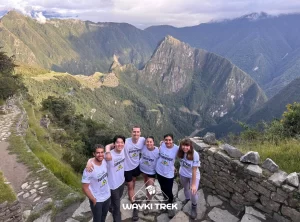
- Key Aspects: Stunning sunrise views, emotional accomplishment.
Each of these landmarks contributes to the trek’s wonder. They narrate the story of the Incan Empire through their presence and preservation. Exploring them brings deeper appreciation to your hiking adventure.
Arriving at Machu Picchu: The Sun Gate and First Views
Reaching the Sun Gate marks a pivotal moment in the trek. This ascent is the culmination of days of hiking. As you approach, anticipation builds.
Upon reaching Inti Punku, the “Sun Gate,” you’ll witness Machu Picchu’s grandeur. The sight is often described as magical, especially at sunrise. The sunlight bathes the ancient citadel in golden hues.
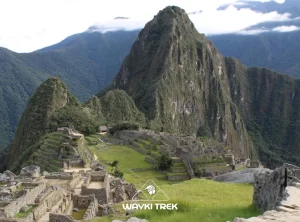
Experience Highlights:
- Emotional climactic point of the trek
- Breathtaking panoramic views
- Opportunity for stunning photography
The first view often elicits powerful emotions. You’ll pause to absorb the magnificence. Many hikers find themselves reflective at this moment.
After savoring the initial glimpse, the path descends toward Machu Picchu. This part of the trek offers further perspectives of the iconic site. Each step closer enhances the anticipation of your full exploration.
Arriving at Machu Picchu from the Sun Gate allows a special appreciation. Witnessing it in such a way connects you to the Incas. Your journey thus far enriches the experience of the ancient city.
Climbing Machu Picchu Mountain and Huayna Picchu
Climbing Machu Picchu Mountain is a rewarding experience. It offers different vistas of the ancient city. With fewer crowds than Huayna Picchu, it provides a peaceful ascent.
Huayna Picchu is another popular climb. It requires a permit, often sold out months in advance. This peak offers a thrilling and steep climb with dramatic views.
Both mountains offer unique perspectives:
- Machu Picchu Mountain:
- Higher elevation
- Steady, less intense ascent
- Panoramic views of surrounding areas
- Huayna Picchu:
- Iconic background of Machu Picchu
- Steep, narrow paths
- Overlooks the entire site from a bird’s-eye view
Permits are essential for these climbs. They limit the number of hikers per day. Planning is crucial to secure your spot.
Both hikes present physical challenges. Machu Picchu Mountain is longer but less steep. Huayna Picchu, though shorter, is more vertical and demanding.
Safety is key when climbing these trails. Proper footwear is necessary to navigate rocky paths. Hiking poles can assist in maintaining balance during steep sections.
Choosing between these peaks depends on your preference. If you seek tranquility, opt for Machu Picchu Mountain. For adventure seekers, Huayna Picchu delivers adrenaline.
Whichever peak you choose, both experiences enrich your visit. They provide unforgettable perspectives and memories. Ensure you take moments to pause and enjoy each unique view.
Wildlife, Flora, and Scenery on the Trail
The Inca Trail is a treasure trove of biodiversity. It showcases a rich array of wildlife and plant species. Each step unveils a new natural wonder.
Hikers often encounter llamas and spectacled bears. These creatures roam freely in their natural habitat. Birdwatchers can spot vibrant hummingbirds and Andean condors.
The diverse flora is equally mesmerizing. The trail is lined with orchids and ferns. Cloud forests envelop you with lush greenery.

Scenery on the trail is ever-changing. It shifts from verdant valleys to rocky passes. Each landscape tells a story of its own.
Highlights to watch for:
- Wildlife: Llamas, bears, and a myriad of birds
- Flora: Orchids, ferns, and moss-covered trees
- Scenery: Cloud forests, river canyons, and mountain vistas
Every view enhances the overall hiking experience. The combination of wildlife, flora, and scenery is enchanting. It fosters a profound connection with nature.
Respectful trekking preserves this ecosystem. Following guidelines helps protect the trail’s natural beauty. Enjoy the trail while leaving no trace behind.
Responsible Trekking: Leave No Trace and Cultural Respect
Embarking on the Machu Picchu climb requires mindfulness. Travelers should follow responsible trekking practices to protect the environment. The Inca Trail is a precious historical and natural site.
The Leave No Trace principles are vital. They encourage minimal impact on the environment. Always pack out what you bring in.
Respect for the culture and heritage of the area is crucial. Machu Picchu and its trails hold deep cultural significance. Treat all sites and artefacts with the utmost care.
Responsible Trekking Tips:
- Use reusable water bottles to reduce waste
- Stick to marked paths to prevent erosion
- Do not touch or disturb archaeological sites
By adopting these practices, you contribute to preserving the Inca Trail for future generations. Enjoy the journey, and embrace the spirit of stewardship and respect.
Frequently Asked Questions About the Machu Picchu Climb
Hiking Machu Picchu is a dream for many adventure seekers. Here are some frequently asked questions to help guide your journey.
How long does it take to hike the Inca Trail?
The classic Inca Trail trek spans approximately four days. It covers about 26 miles, allowing for a full exploration of the region.
Can you hike Machu Picchu independently?
No, independent trekking on the Inca Trail isn’t allowed. You must join a guided tour, which ensures compliance with regulations.
What are the Inca Trail cost considerations?
The Inca Trail cost varies widely. Prices range from $700 to $1,400 per person, depending on the level of service, size group and tour operator.
Is the trek suitable for beginners?
The trail requires moderate fitness. While not recommended for absolute beginners, preparation can make it accessible to less experienced hikers.
What should I pack for the trek?
Essentials include proper hiking boots, layered clothing, a rain jacket, and a reusable water bottle. Don’t forget sunscreen and insect repellent.
Quick FAQs Summary:
- Best time to trek: May to September
- Permit needed: Yes
- Risk of altitude sickness: High, acclimatization advised
Addressing these common questions helps travelers prepare effectively, ensuring a safer and more rewarding experience.
Final Tips for a Successful Machu Picchu Climb
Completing the Machu Picchu climb is a monumental achievement. Proper preparation and awareness will enhance your experience on this unforgettable journey.
Start your trip with a positive mindset. Facing the trail’s challenges with determination will help you stay motivated from start to finish.
Consider acclimatizing in Cusco before embarking on your hike. Spending a couple of days there helps mitigate the risk of altitude sickness.
Maintain a steady pace throughout your trek. Avoid rushing, as this can tire you out quickly and diminish your enjoyment of the stunning landscape.
Here’s a quick checklist for success:
- Acclimatization: Spend time in Cusco pre-hike (2 or 3 days)
- Health: Stay hydrated and eat energy-rich snacks.
- Mindset: Stay positive and savor each moment.
Document your journey with photos or a journal. Capturing your personal experiences will serve as cherished memories later. Finally, immerse yourself in the cultural and historical significance of the Inca Trail. Respect the environment and local customs to fully appreciate this extraordinary adventure.
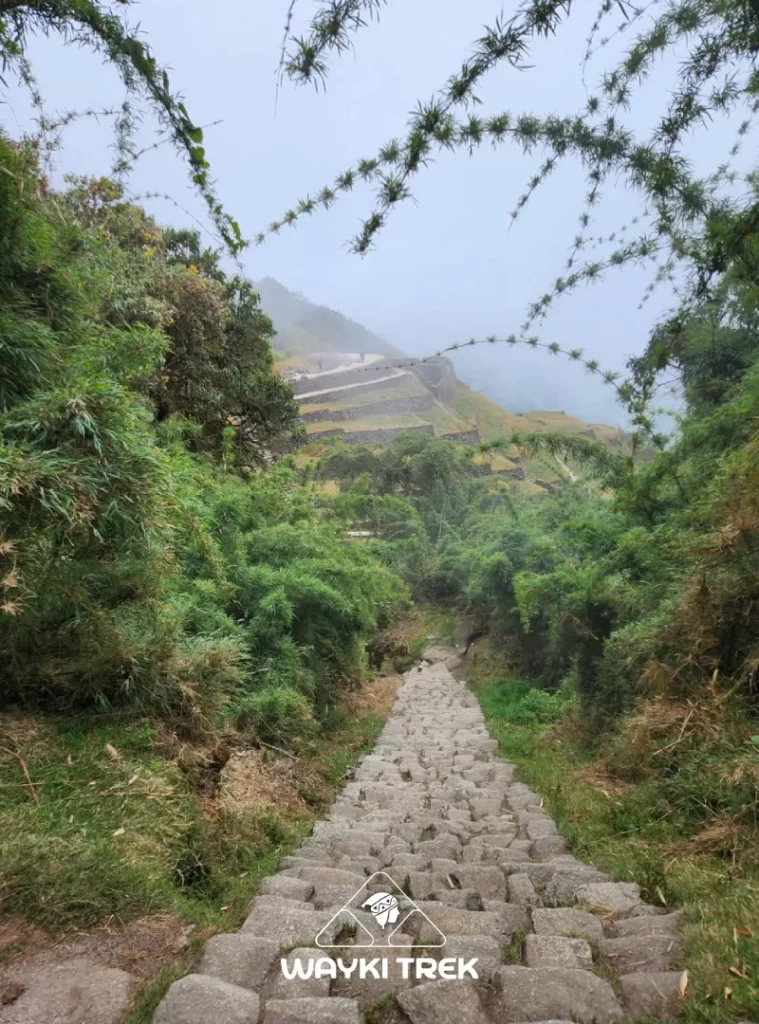
Get ready to challenge your limits and connect with history every step of the way! Book now.
Tours where you’ll discover some of these sites:
Inca Trail 4 Days: The most iconic route to Machu Picchu. See more.
Inca Trail 2 Days: A shorter version of the trail, but with the same essence. See more.
Machu Picchu Full Day: Perfect if you have little time to experience this wonder. See more.
Back